Ever Night
- Author: Mao Ni
- Genres: Xuanhuan
- Status: Completed
- Chapters: 1177
- Rating: ★ 4.5 / 5
- Published: 2026-09-21
First Impressions
Tương Dạ feels distinctly different from most familiar xianxia novels. The story begins with Ning Que, a young survivor of a family massacre, taking Sang Sang along as he makes his way back step-by-step to Chang'an. Yet what makes it memorable isn't the protagonist rapidly becoming a top powerhouse, but how patiently the story lets its characters truly live within that world.
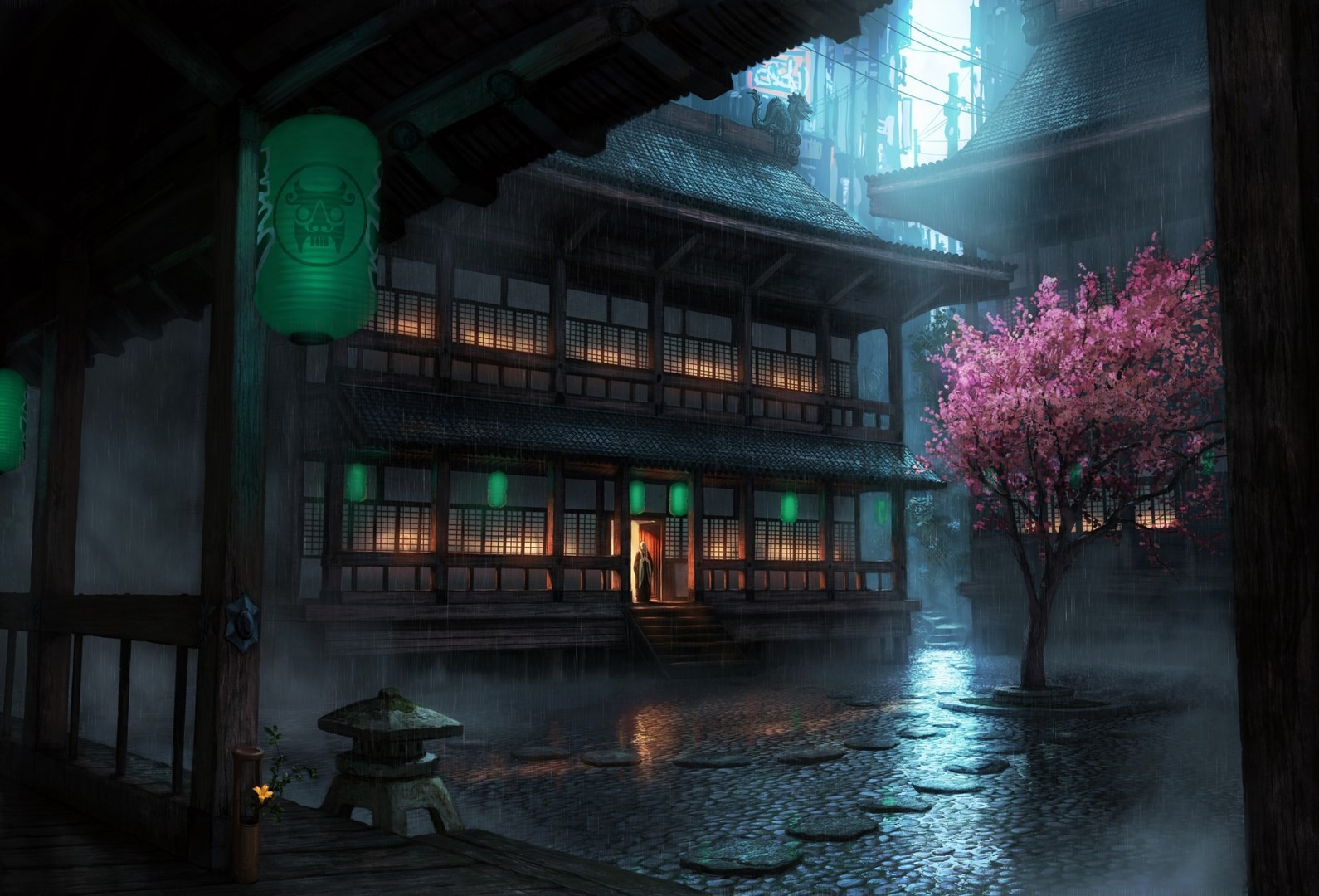
The early chapters are filled with slice-of-life scenes: the two earning a living, finding shelter, observing the streets, and planning for immediate survival. It is precisely these quiet moments that make Chang'an feel like more than just a stage for battles, bringing it to life as a city with real people, food, money, power, and memories of its own.
Plot and Pacing
The initial premise is fairly straightforward: carrying a past vendetta, Ning Que fights to survive and enters the Academy to pursue his path. From a relatively personal story of revenge, the narrative gradually expands into cultivation, statecraft, faith, and the fate of the entire world.
The narrative pacing is something to keep in mind. The author spends a lot of time on dialogue, scenery, internal thoughts, and seemingly trivial details; thus, readers accustomed to fast-paced power-leveling might find it slow. On the flip side, if you read slowly and appreciate the prose, those mundane segments build a fantastic foundation for the later climaxes.
Characters and Romance
Ning Que is not your typical gentle protagonist who always acts out of noble ideals. He is somewhat pragmatic, calculating, and occasionally cold-hearted, yet fiercely stubborn when it comes to the people he holds dear. Character growth therefore extends far beyond mere physical strength.
- Protagonist: Ning Que stems from a family tragedy, driven by vengeance as he steps onto the path of cultivation step by step.
- Companion: Sang Sang grew up alongside Ning Que, with the two relying on each other since childhood.
- Relationship: The bond between Ning Que and Sang Sang is forged over many years, grounded in shared life rather than cliché confessions or grand romantic gestures.
- Sect & Mentors: Fuzi and members of the Academy form a faction that profoundly influences Ning Que's growth.
I particularly appreciate this romantic subplot because it is rooted in their everyday shared life before being tested by major upheavals. The intimacy between Ning Que and Sang Sang thus feels like genuine mutual reliance and companionship, rather than a tacked-on romance designed solely to drive the plot forward.
Worldbuilding and Philosophy
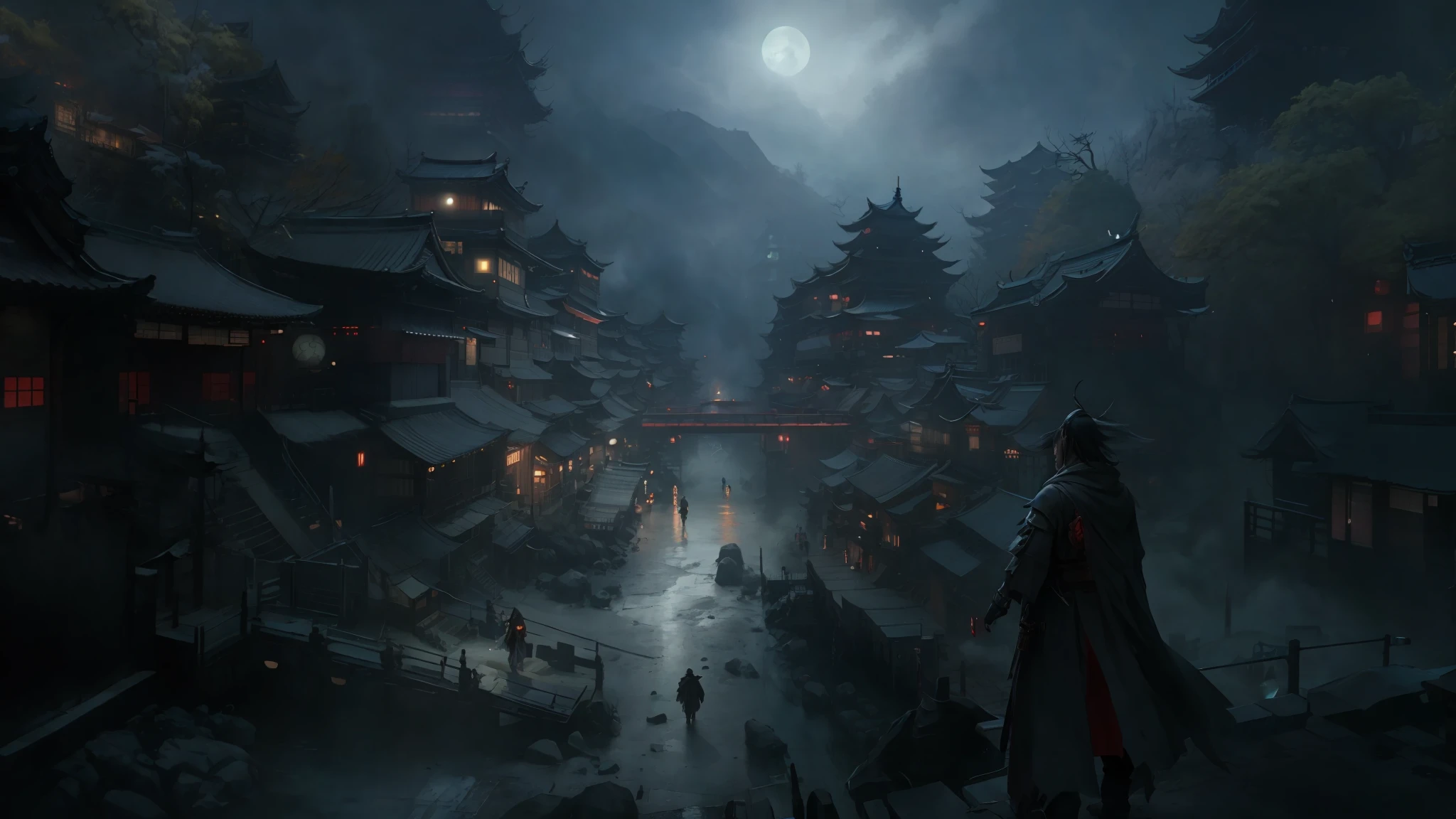
The world of Tương Dạ is built around Haotian, the Tang Empire, the Academy, the Dao Sect, the Buddhist Sect, and various other factions. It is not a simplistic cultivation system where a higher realm automatically guarantees absolute victory.
What makes it fascinating is that power is tied to comprehension, experience, and application rather than raw cultivation tiers. A cultivator with a higher realm can still find themselves at a disadvantage in actual combat, whereas seemingly weaker characters can pose a deadly threat if they grasp the situation well.
On a deeper level, the story continuously confronts humanity with questions of freedom, faith, and power. The Academy is not merely a place for learning or cultivation; it represents an alternative worldview regarding humanity and the cosmos, bestowing a depth that goes far beyond a conventional revenge setup.
Strengths
- Distinctly characterized figures, especially Ning Que, who avoids being pigeonholed into a generic hero trope.
- Sang Sang and Ning Que share a romantic bond developed over a long period, grounded in living and enduring hardships together.
- The Academy, Tang Empire, and various religious factions construct a world with multilayered conflicts, extending far beyond mindless combat.
- The writing style emphasizes scenery, dialogue, and internal monologue, lending the feel of a full-scale literary novel rather than plot-chasing web fiction.
- Numerous side characters possess distinct perspectives and convictions, preventing the world from shrinking into the protagonist's sole viewpoint.
What I appreciate most is the harmony between mundane intimacy and epic scale. A simple meal, a street corner, or a quiet conversation is often juxtaposed against earth-shattering events, creating a beautifully poignant contrast.
Weaknesses
- Slow pacing, particularly during sections where the author devotes extensive time to scenery, internal reflections, or dialogue.
- Certain worldbuilding and philosophical expositions may leave readers feeling as though the plot has come to a temporary standstill.
- The vast array of factions, concepts, and cultivation terminology requires sustained focus for long-term reading.
- Readers looking for a protagonist who continuously levels up might find the story's handling of power progression and realms unsatisfying.
- As the story scales up toward the end, the intimate, grounded feel of the earlier chapters isn't always fully preserved.
Reader reception is noticeably divided: some cherish this very slowness and depth, whereas others feel the author occasionally over-indexes on prose and philosophy. To me, this isn't necessarily a flaw, but rather a defining feature of the reading experience in Tương Dạ.
Conclusion
I think Tương Dạ is best suited for readers seeking a xianxia novel with more depth than just hunting for fortuitous encounters, breaking through realms, and defeating rivals. Ning Que is not a conventional cultivation genius, and his journey to find his place within the Academy, the Tang Empire, and the vast world is what makes it truly worth reading.
If you only want a story with fast pacing, minimal exposition, and constant power-ups, Tương Dạ might test your patience. However, if you enjoy evocative prose, introspective characters, slow-burn relationships, and a world that poses thought-provoking questions about humanity, this is a work well worth your time.
In short: Tương Dạ won me over not with speed, but by allowing Ning Que and Sang Sang to genuinely live for a long time in a world that is both vast and intensely grounded in everyday life.
Tags: library, cultivation, revenge