Shao Song
- Author: Liu Dan Pa Shui
- Genres: Historical, Quân Sự, Xuyên Không
- Status: Completed
- Chapters: 491
- Rating: ★ 4.5 / 5
- Published: 2026-09-21
First Impressions
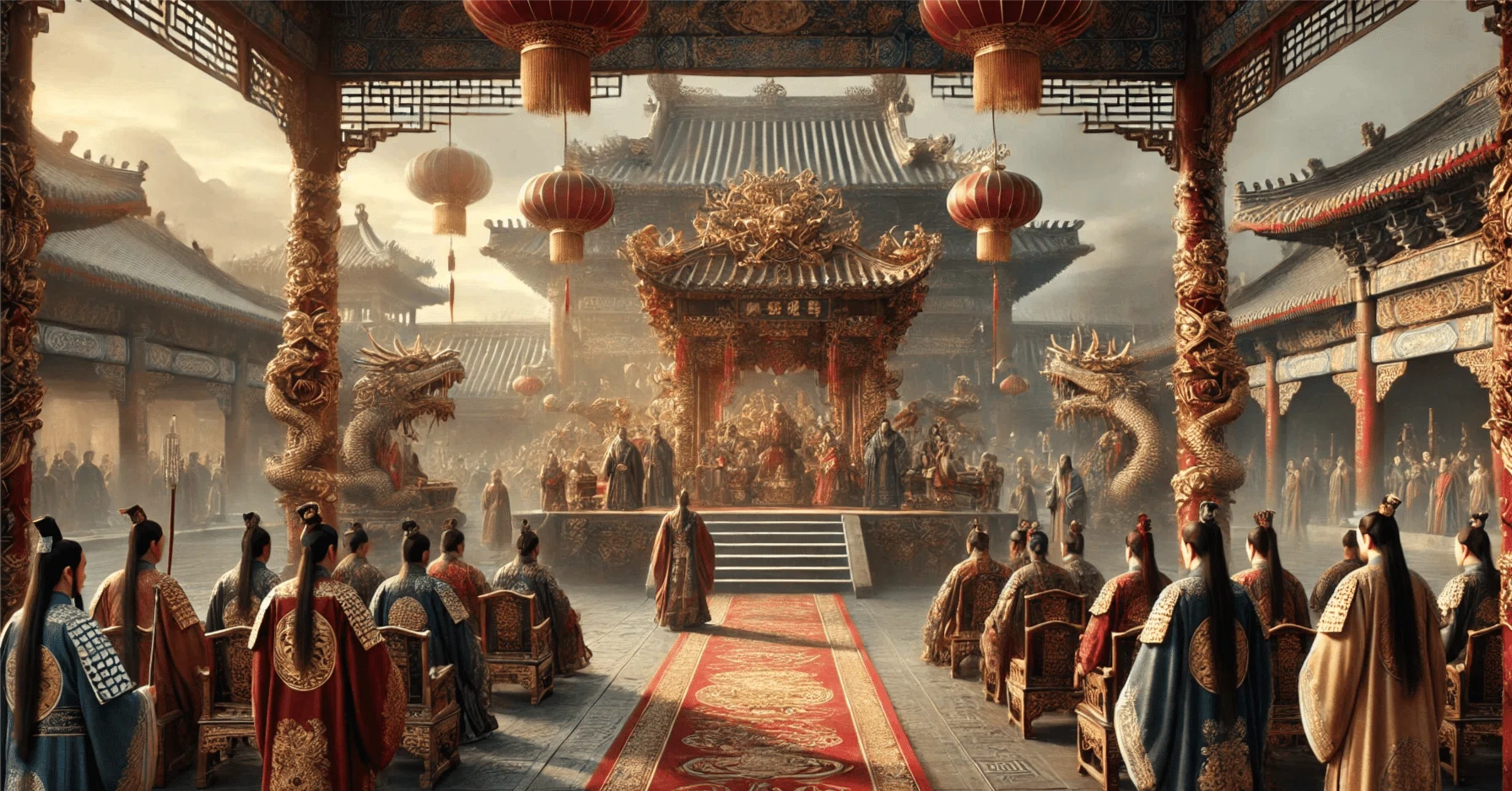
Shao Song opens during a particularly dark period in history. The Northern Song has just fallen, the Jin Dynasty is pressing in, and the successor Zhao Gou is preparing to retreat the imperial court to the south. At this exact moment, a soul from nine hundred years in the future enters the emperor's body, embarking on an entirely different path.
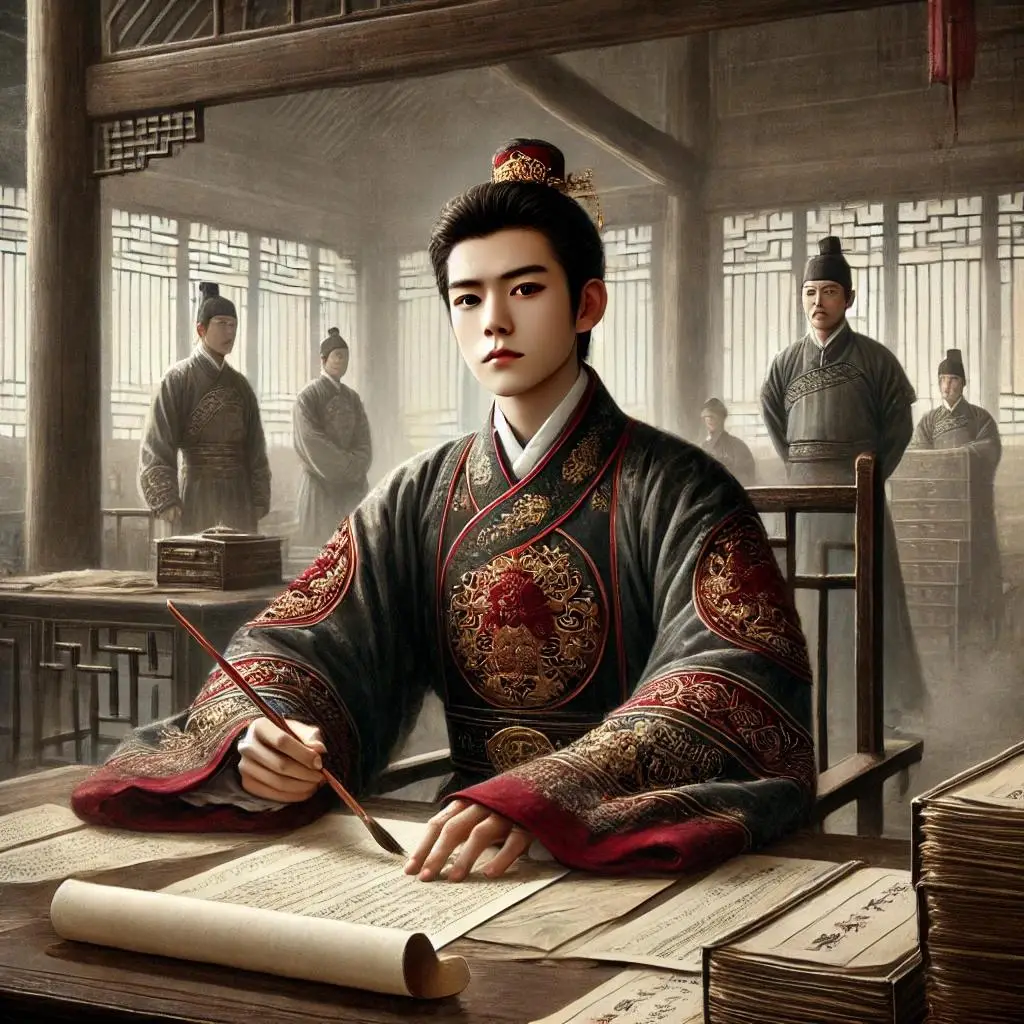
What caught my attention is not the familiar concept of transmigration itself, but the position of the protagonist. Zhao Jiu does not transmigrate as an outsider free to act at will; instead, he becomes the ruler of a nation teetering on the brink of collapse. Consequently, every decision he makes sweeps up the court, the army, and the common people alike.
Plot and Pacing
The narrative revolves around Zhao Jiu's efforts to alter the seemingly preordained fate of the Great Song. From dealing with court officials and building military strength to resisting the Jin Dynasty, the story steadily expands from a struggle for personal survival into the monumental task of national revival.
The pacing is not characterized by a relentless stream of overwhelming victories. Significant time is dedicated to state affairs, military provisions, personnel, and the inner workings of the court, but these very details give the subsequent battles far more weight. Readers do not just wait to see who wins or loses a battle; they genuinely care about why the battle had to be fought in the first place.
Characters and World-Building
The protagonist is Zhao Jiu, a modern soul who transmigrates into the body of Zhao Gou. Equipped with modern knowledge and a decisive nature, he gradually becomes the focal point of a collective cast featuring numerous historical figures. Yet, the story does not reduce every conflict to a problem he can solve entirely on his own.
- Zhao Jiu: The protagonist, who utilizes modern knowledge to reform the Great Song.
- Han Shizhong: A key general, portrayed with a rugged, pragmatic, and battle-hardened edge.
- Yue Fei: The famous general resisting the Jin Dynasty, depicted as a figure of outstanding military genius.
- Li Gang and Zong Ze: Historical figures who represent different political and military paths during times of chaos.
The world-building is remarkable for the systemic nature of its warfare and politics. Dongjing, the Central Plains, Hebei, and the northern battlefields are not mere backdrops; each region is intrinsically tied to logistics, population demographics, military forces, and distinct political interests.
Writing Style and Depth
What I appreciate most is the sense that the author genuinely wants to tell a historical story, rather than simply using history as a stage for the protagonist to shine. Modern knowledge is introduced with measured restraint, primarily serving to aid reform and strategic thinking, rather than turning Zhao Jiu into an overnight inventor who resolves every crisis with a few quick ideas.
Another unique feature is Original Learning, an ideological system promoted by Zhao Jiu to blend ancient philosophies with modern insights. While this aspect may fascinate readers by expanding the narrative beyond warfare, it occasionally becomes heavy with concepts and dialogue, demanding some patience.
Strengths
- A vivid historical atmosphere, particularly in the depictions of warfare and court politics.
- Zhao Jiu possesses modern knowledge, yet he cannot always resolve crises easily.
- A large cast of supporting characters with distinct roles, giving the story an ensemble-cast feel rather than focusing solely on one individual.
- Battles are deeply tied to politics, logistics, and personnel, which effectively establishes a strong sense of cause and effect.
- Though long, the story has a clear developmental arc: moving from basic survival and defending the nation to fundamentally changing how the country functions.
Weaknesses
- Abundant political discourse and historical terminology, which might require readers unfamiliar with the Song Dynasty background to do some extra research.
- Certain segments focusing on ideological development and reform are relatively lengthy, slowing down the pace compared to typical power-fantasy transmigration novels.
- Romance is not the focus; if you are looking for a story that places romantic relationships at its center, the experience may not meet your expectations.
- Due to the grand scale, the growing number of characters and factions can occasionally make it challenging to keep track of political alignments.
Conclusion
For me, Shao Song is most compelling when read as a story of individuals facing the wheels of history. Transmigration is merely the starting point; what makes it worth reading is the process by which Zhao Jiu gradually translates his knowledge, power, and the people around him into the capability to reshape the era.
The novel is best for those who enjoy history, warfare, politics, and long-term narratives with layered causality. If you only want a power-fantasy transmigration story with effortless victories, minimal political intrigue, and relentless pacing, Shao Song might feel heavy in some parts.
In summary: Shao Song is a historical transmigration novel focused on war, power, and reform, distinguished by its grand scale and a deeply layered portrayal of historical tides.
Tags: transmigration, resisting the jin, political intrigue