I Feed on Gods
- Author: Xiang Si Xi Hong Dou
- Genres: Dị Năng, Sinh Tồn, Mạt Thế
- Status: Completed
- Chapters: 1190
- Rating: ★ 4.3 / 5
- Published: 2026-09-22
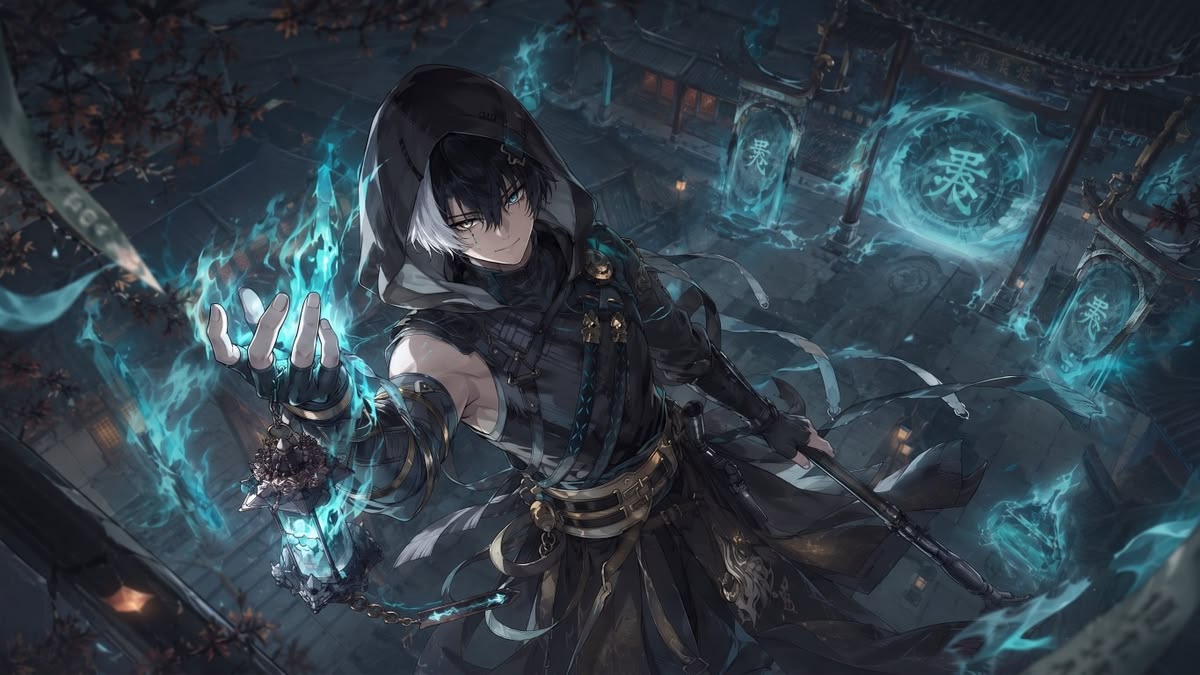
First Impressions
Thirty years ago, meteors fell and Divine Ruins appeared. Gods emerged from them, treating humans as food, but Lin Baici became an exception with his ability to hunt and devour gods.
This premise sounds like a typical post-apocalyptic trope, but the novel quickly sets itself apart with a survival rules system. Enemies don't just stand there and fight; often, to survive, Lin Baici must understand the rules, observe clues, and find a way to break the trap that is killing him.
Plot and Pacing
The most gripping parts are the ventures into Divine Ruins. Each area acts like a life-or-death dungeon with its own rules, unique items, and clearing methods. A single wrong move can cost the entire team, making the reading experience feel like solving a deadly puzzle game.
The story doesn't maintain constant tension; instead, it alternates with urban life, school, and comedic slice-of-life moments. While this keeps the tone from being too oppressive, it creates pacing drops when readers are forced back into daily life after intense survival arcs.
Characters and Ranks
Lin Baici is an easy protagonist to root for. He is not an all-powerful genius from the start, but he has a clear, pragmatic mind, always observing before acting. Notably, his ability to devour gods grants a massive advantage but doesn't make him immortal; break the wrong rules, and he can still die.
- Protagonist: Lin Baici, from an ordinary background, starting his journey after the college entrance exam.
- Personality: calm, pragmatic, quick-witted, and prioritizes survival.
- Key teammates: Xia Hongyao, Jin Yingzhen, Hua Yueyu, and Gu Qingqiu.
- Power system: divine grace and the ability to conquer Divine Ruins form the core foundation.
- The highest rank mentioned in the system is the Dragon Level.
World-Building and Settings
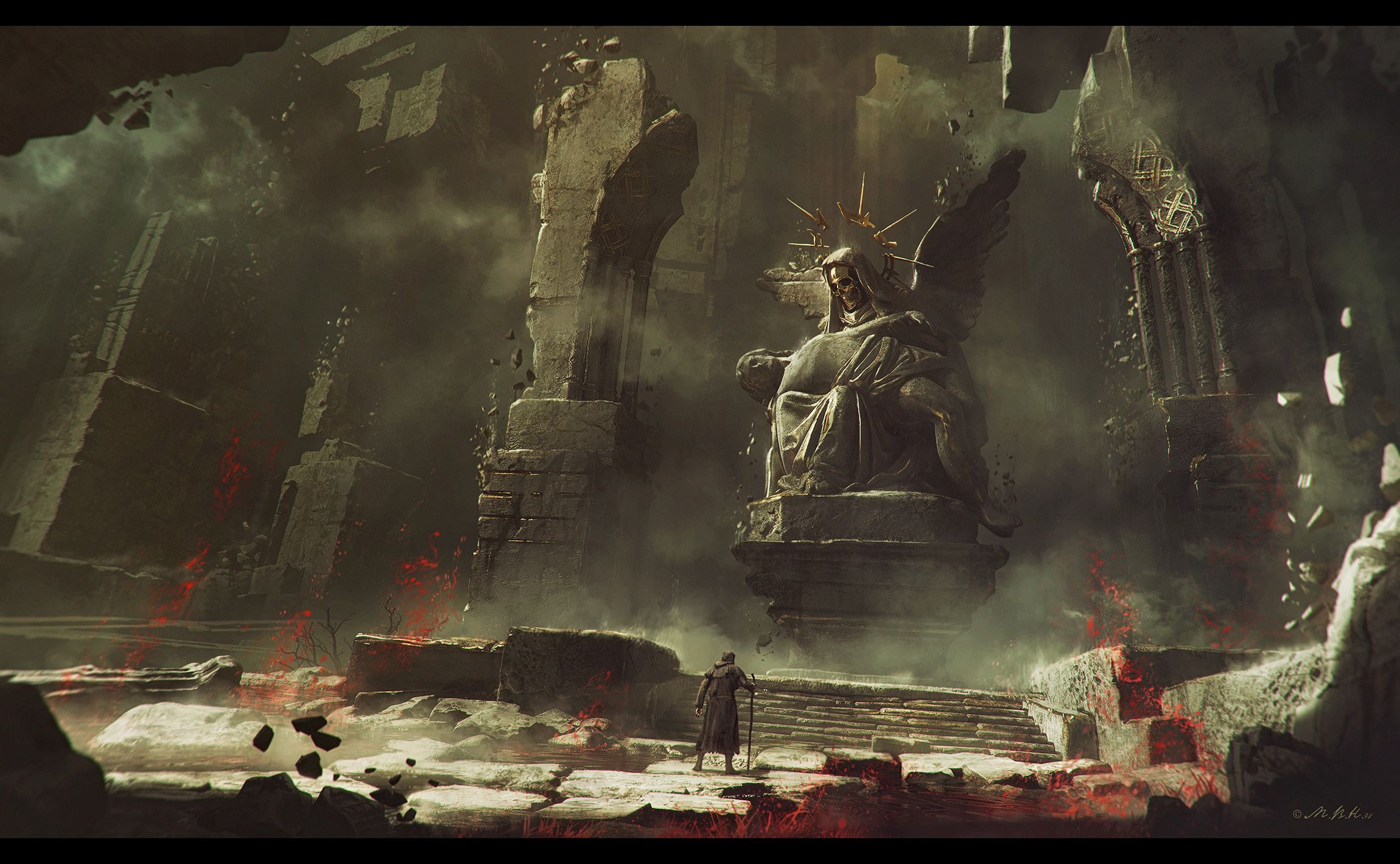
This is my favorite aspect. The gods are not just high-stat monsters; they are tied to bizarre rules and pollution. When facing a crisis, brute force is often less effective than accurately understanding what is actually happening.
Alongside Divine Ruins, the introduction of the Jiuzhou Safety Bureau and the god hunters system makes the world feel adapted to the presence of gods. Elements of mythology, sacrifices, divination, and bizarre artifacts give the setting a unique flavor instead of being just another generic monster-slaying apocalypse.
Strengths
- The survival rules concept creates engaging scenarios that require observation and deduction.
- Lin Baici handles situations pragmatically without relying on hot-blooded passion.
- The systems of divine grace, Divine Ruins, and divine taboo items offer diverse development paths.
- The blend of horror, survival, and comedy makes it an easy, long-term read.
- The world scale expands gradually, shifting from individual survival to a grander conflict between humanity and gods.
Weaknesses
- At 1190 chapters, some storylines feel unnecessarily dragged out.
- Slice-of-life and school segments occasionally dilute the tension of the survival arcs.
- A large cast, numerous divine grace powers, and heavy terminology take some time for newcomers to get used to.
- The formula of exploring Divine Ruins, finding rules, and solving them can feel repetitive if binged.
- Power-fantasy elements and power leveling might not appeal to those looking for strict, realistic logic.
Verdict
This is a noteworthy read if you like post-apocalyptic settings but don't want every problem solved by power scaling. The selling point is the rules, and Lin Baici is sharp enough to turn those rules to his advantage.
Bottom line: A long novel with many dungeons and terms, but the concept of Divine Ruins and survival rules is unique enough to keep you hooked. Best for fans of survival, deduction, and gradual character progression.
Tags: post-apocalyptic, superpowers, survival