End of Song
- Author: Guai Dan De Biao Ge
- Genres: Historical, Xuyên Không
- Status: Completed
- Rating: ★ 4.3 / 5
- Published: 2026-09-22
First Impressions
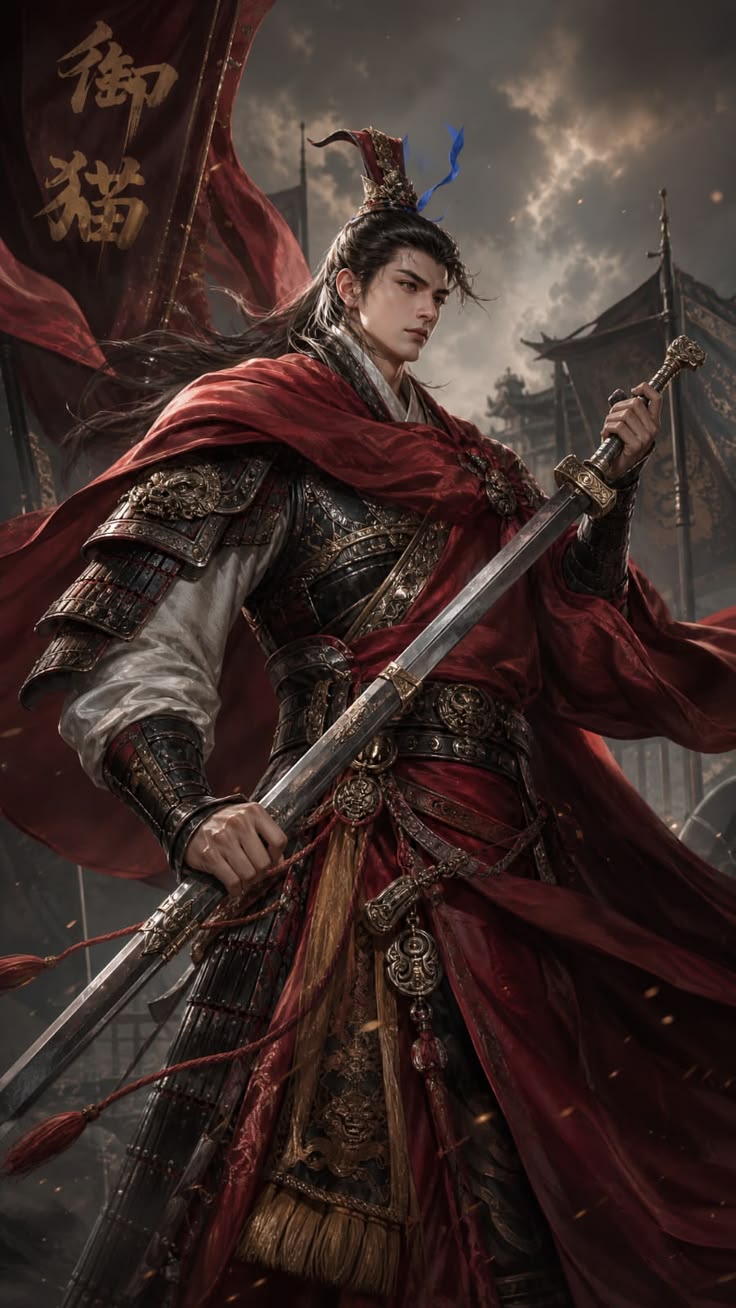
End of Song feels like opening a dusty historical chronicle, where every page echoes with the thundering of hooves, the howling of frontier winds, and the lingering ache for the fate of a dynasty. The story follows the journey of a modern soul stepping into the Southern Song era, facing turbulent political upheavals and brutal warfare.
The most captivating aspect lies in its dense historical atmosphere, where the author not only reconstructs the setting but also places the protagonist before difficult choices between survival, ideals, and responsibility. This is not a story that rushes to ignite emotions, but one that allows readers to slowly immerse themselves in the flow of the era.
Plot and Pacing
End of Song follows a path of historical transmigration combined with faction-building, focusing on how the protagonist utilizes knowledge, experience, and observational skills to adapt to an unfamiliar world. The narrative thread revolves not only around victory and defeat on the battlefield but also the struggle between humans and their circumstances.
A measured pacing is the standout feature of this work. The phases of preparation, calculation, and foundation-building might feel slow to readers accustomed to fast-paced power-trip web novels, but in return, they offer a realistic sense of the historical alteration process.
Characters and Worldbuilding
- Protagonist: a transmigrator to the Southern Song era, bringing a modern perspective and gradually seeking survival amidst chaotic times.
- Setting: the Southern Song period, fraught with court conflicts, warfare, and external geopolitical pressures.
- Development arc: from an insignificant individual to a key player in the major shifts of the era.
A noteworthy highlight of the novel is the feeling of a living, breathing world, where the protagonist does not stand aloof from history but is swept into the complex currents of power, military affairs, and human nature. Supporting characters are not mere background decorations; they actively contribute distinct colors to each phase of the story.
Writing Style and Tone
The prose of End of Song leans toward descriptive and introspective, weaving a slightly somber yet richly vivid tapestry. Scenes of warfare and social upheaval do not merely emphasize grandeur but also evoke a poignant sense of loss and regret in the face of shifting times.
A sense of historical nostalgia is what lingers longest after reading. However, readers who prefer rapid pacing or quick-fire battles of wits might need some time to get used to this accumulation-based storytelling style.

Strengths
- Meticulously crafted historical setting, providing a profound depth to the era.
- Step-by-step development of the protagonist, without relying on pre-existing overpowered abilities.
- Political and military subplots that convey a grand sense of scale.
- An atmosphere rich with epic quality, perfect for those who enjoy exploring the past.
Weaknesses
- Certain segments focus heavily on faction-building and calculations, slowing down the pacing.
- A substantial amount of historical knowledge and terminology, which might overwhelm newcomers to the genre.
- The narrative prioritizes the grand scheme, occasionally leaving individual character emotions in the background.
Reader's Perspective
- Those who love historical fiction and want to view an era through the eyes of a game-changer will find much to enjoy in this work.
- Fans of intricate schemes and gradual faction-building will easily immerse themselves in the protagonist's journey.
- Readers seeking light entertainment with constant, rapid climaxes might find the novel's slow-burn buildup a bit heavy.
Conclusion
End of Song is not just an adventure of triumphs, but a journey of witnessing a crumbling era and the hope of rewriting its destiny. The work is highly suited for history enthusiasts, those who appreciate slow-burn character growth, and lovers of grand worldbuilding.
In short: This is an atmospheric historical transmigration novel that excels in reconstructing its era and the process of altering fate. If you enjoy long-running stories where every decision carries weight, this is a must-read.
Tags: historical transmigration hegemony