The Immortal Nation's Great Emperor
- Author: Guan Qi
- Genres: Xianxia, Historical
- Status: Completed
- Chapters: 1449
- Rating: ★ 4.5 / 5
- Published: 2026-09-21
First Impressions
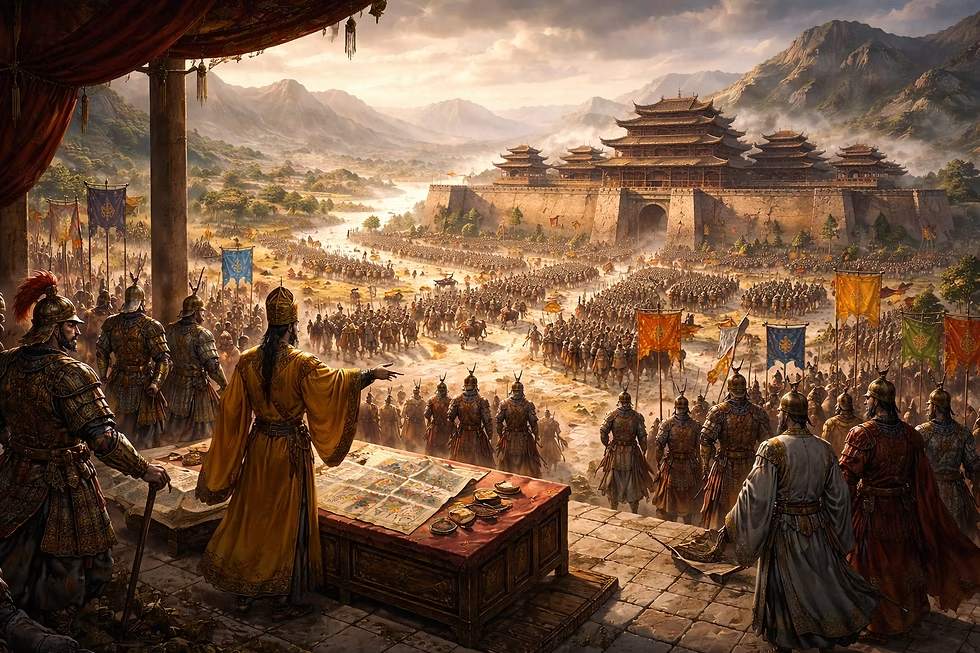
The Immortal Nation's Great Emperor leaves an impression right from its core premise: instead of having the protagonist solely pursue personal cultivation, the story places Yan Chuan in the position of building a dynasty that can stand equal to the Immortal Sects. What stands out is that power in this story doesn't come strictly from cultivation realms, but also from the imperial path and the ability to leverage influence, popular support, and resources to turn the tide.
I like how the novel turns an immortal cultivation story into a struggle between individuals, the imperial court, and the entire world system. Yan Chuan carries the aura of someone who once stood at the pinnacle, making his view of people, power, and crisis management distinctly different from typical main characters who solely hunt for fortunate encounters to break through.
Plot and Pacing
The early part grabs attention through direct scenarios: Yan Chuan returns to a cultivation world, confronts Immortal Sects, and step-by-step consolidates the foundation for his dynasty. From securing dragon veins, fighting, and recruiting talents, the story gradually expands into large-scale faction warfare.
The pacing is generally moderate, but later on, it is no longer just a simple routine of cultivating and defeating the next opponent. Confrontations often involve grand schemes, alliances, destiny energy, and chain-reaction moves. On the flip side, this massive scale gives rise to lengthy stretches filled with numerous characters and factions appearing at once, which might tire impatient readers.
Characters and Realms
Yan Chuan is the brightest highlight. He isn't the hot-headed type to charge forward blindly, leaning instead toward calculating and controlling the overall situation. What makes him interesting is that the story gives him multiple roles simultaneously: a cultivator, the head of a faction, and a ruler bearing responsibility for the decisions of an entire dynasty.
- Parents: The reference pages do not provide sufficient reliable information to include.
- Love interests: Zi Zi, Mo Yuxi, Meng Rongrong, Zhao Afang, and Luo'er are characters involved in marital or romantic relationships with Yan Chuan in the story.
- Friends and allies: Ao Dong is a character who joins Great Zhen after being persuaded by Yan Chuan.
- Realms: The power system spans from mortal levels up to Ancestral Immortal, followed by Transcendence and Eclosion; the highest benchmarks involve the Nineteenth Level of Ancestral Immortal and the Twentieth Level Heaven.
World and Worldbuilding
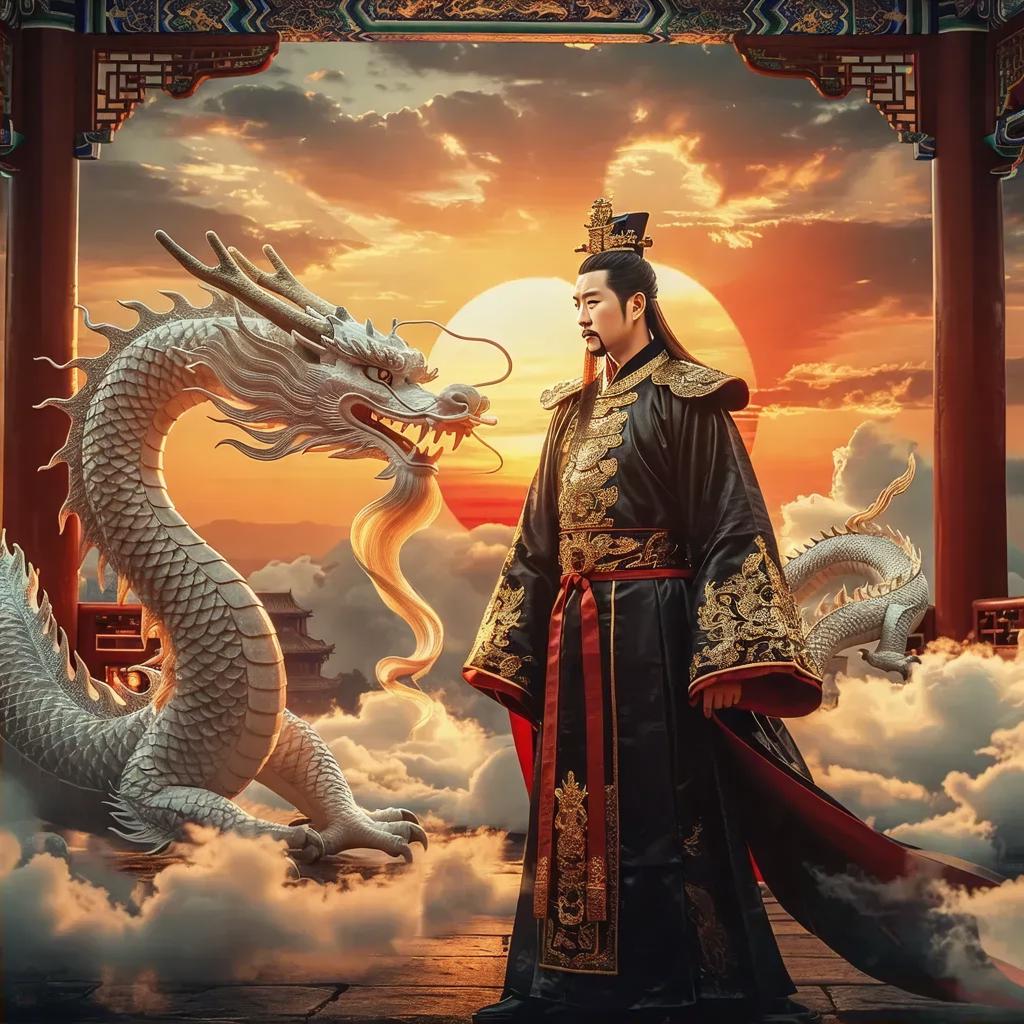
This is where The Immortal Nation's Great Emperor differs significantly from individual-focused xianxia novels. The story builds a world where a Heavenly Dynasty can compete against Immortal Sects, and destiny energy and dynastic power become an integral part of cultivation strength.
The lore expands vastly later on, extending from the Great Zhen Heavenly Dynasty to factions, worlds, and powerhouses with histories spanning across ages. The Nine Stars Alignment and Heavenly Gate early on set a grand sense of scale, and the Ancestral Immortal system pushes the power ceiling immensely high.
Strengths
- Clear dynastic empire premise, turning national power into an integral part of the cultivation path.
- Yan Chuan possesses a calculating mind, knows how to leverage organizational power, and does not rely solely on personal strength.
- The world constantly expands, featuring multiple factions and characters with distinct roles rather than mere background fluff.
- Strategic schemes, political setups, and faction warfare offer a refreshing departure from linear cultivation.
- As a long novel, it has ample room for relationships, factions, and power systems to fully develop.
Weaknesses
- The massive scale causes terminology and characters to multiply rapidly, making it tricky at times to remember who belongs to which side.
- The pacing can feel slow occasionally due to handling multiple faction storylines simultaneously.
- The late-game power system reaches extreme heights, with realm benchmarks and top powerhouses appearing in dense succession.
- Certain situations still exhibit power-fantasy tropes, so readers who favor realistic logic or restrained power scaling might find it a bit over-the-top.
Conclusion
If you enjoy xianxia but want more mind games, faction building, and territorial conquest, this is a novel worth trying. Web novel newcomers might feel overwhelmed by its length and dense terminology, but those accustomed to dynastic cultivation will find Yan Chuan's execution quite engaging.
I appreciate the core concept and how the story weaves dynastic politics into the cultivation system, even though the scale and complexity increase as it progresses. This isn't a book for readers who only want non-stop battles; its appeal lies heavily in grand schemes and power plays.
In short: The Immortal Nation's Great Emperor is ideal for those who enjoy long-form xianxia featuring a strategic protagonist and factional supremacy. Its biggest drawback lies in its length, heavy terminology, and constantly ballooning scale.
Tags: kingdom building, monarch, cultivation