Remnant Robe
- Author: Feng Yu Jiu Qiu
- Genres: Xianxia, Linh Dị
- Status: Completed
- Chapters: 457
- Rating: ★ 4.5 / 5
- Published: 2026-09-21
First Impressions
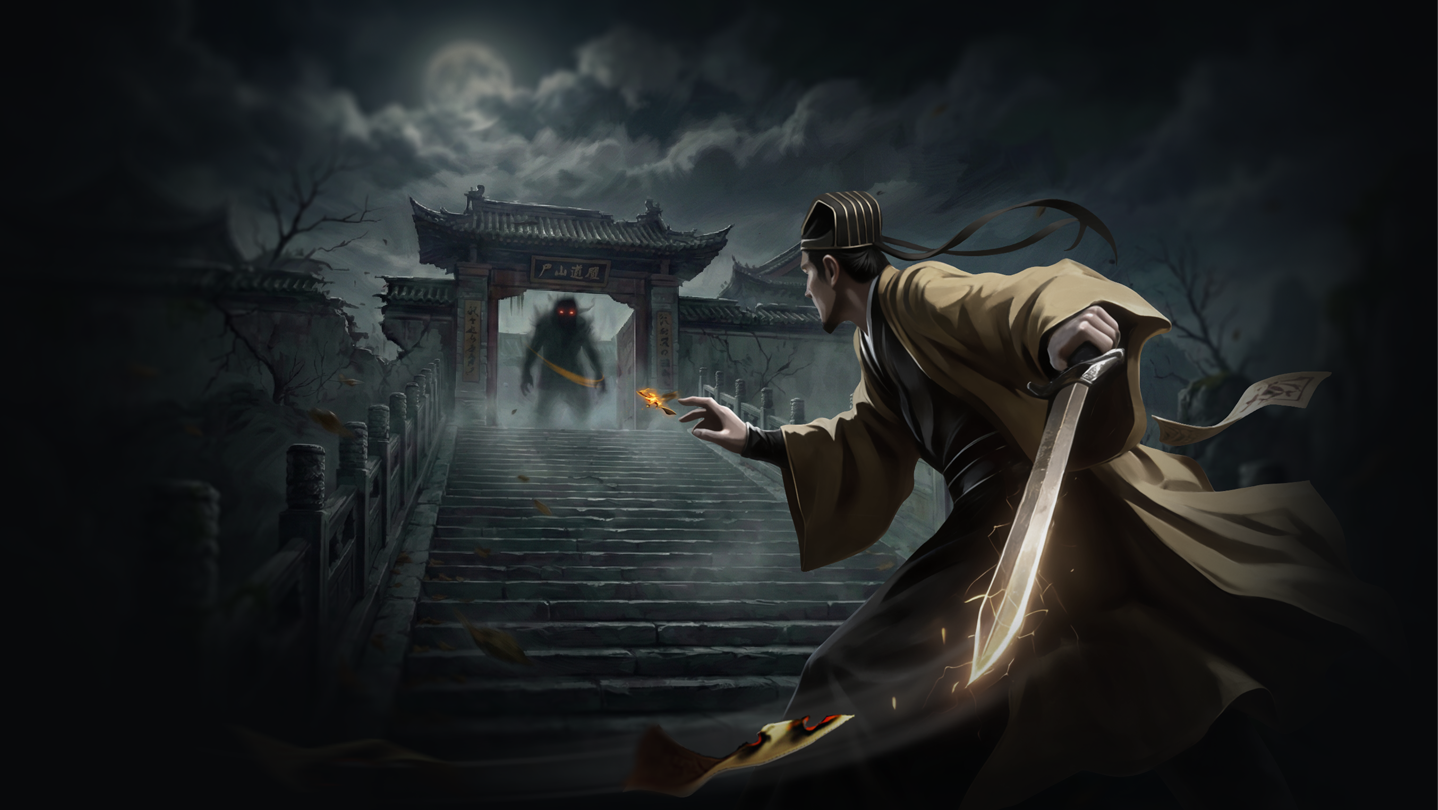
Remnant Robe makes an immediate impression with a world both historical and mystical. The story opens in 1936 when Zuo Dengfeng is reassigned to Qingshui Temple on Kunyu Mountain, unwittingly stepping into a realm of Taoist magic, ancient tombs, and mysteries beyond ordinary understanding.
What I appreciate most is that the story does not rush to make the protagonist a master. Zuo Dengfeng starts as a mere young intellectual, lacking both spiritual energy and any special legacy. It is precisely this disparity that makes the events at Qingshui Temple feel all the more dangerous and believable.
Plot and Pacing
The narrative progresses from a ruined Taoist temple to perilous journeys, ancient tombs, factions of cultivators, and strange occurrences amidst wartime chaos. The author often has Zuo Dengfeng observe and deduce before acting, resolving many situations through composure and experience rather than brute force.
The opening rhythm is relatively slow, as the story devotes considerable time to daily life at Qingshui Temple. In return, nuanced details about people, Taoist magic, and social conditions gradually accumulate, giving subsequent turnabouts true emotional weight rather than serving merely as level-up triggers.
Characters and Daoist Arts
Zuo Dengfeng is the kind of character I admire for his realism. He isn't always right, can be stubborn, and occasionally resorts to extremes, but he possesses keen powers of observation—especially when calculating his own limits against those of his adversaries.
- Parents: His father died early in a sea accident; his mother raised Zuo Dengfeng alongside his two elder sisters alone.
- Love interest: Wu Xinyu represents the most significant romantic relationship in the story's first half.
- Companion: Thirteen is a unique animal companion who shares a long, deep bond with Zuo Dengfeng.
- Highlights: Zuo Dengfeng possesses an analytical mind, a resolute demeanor, and extraordinary endurance.
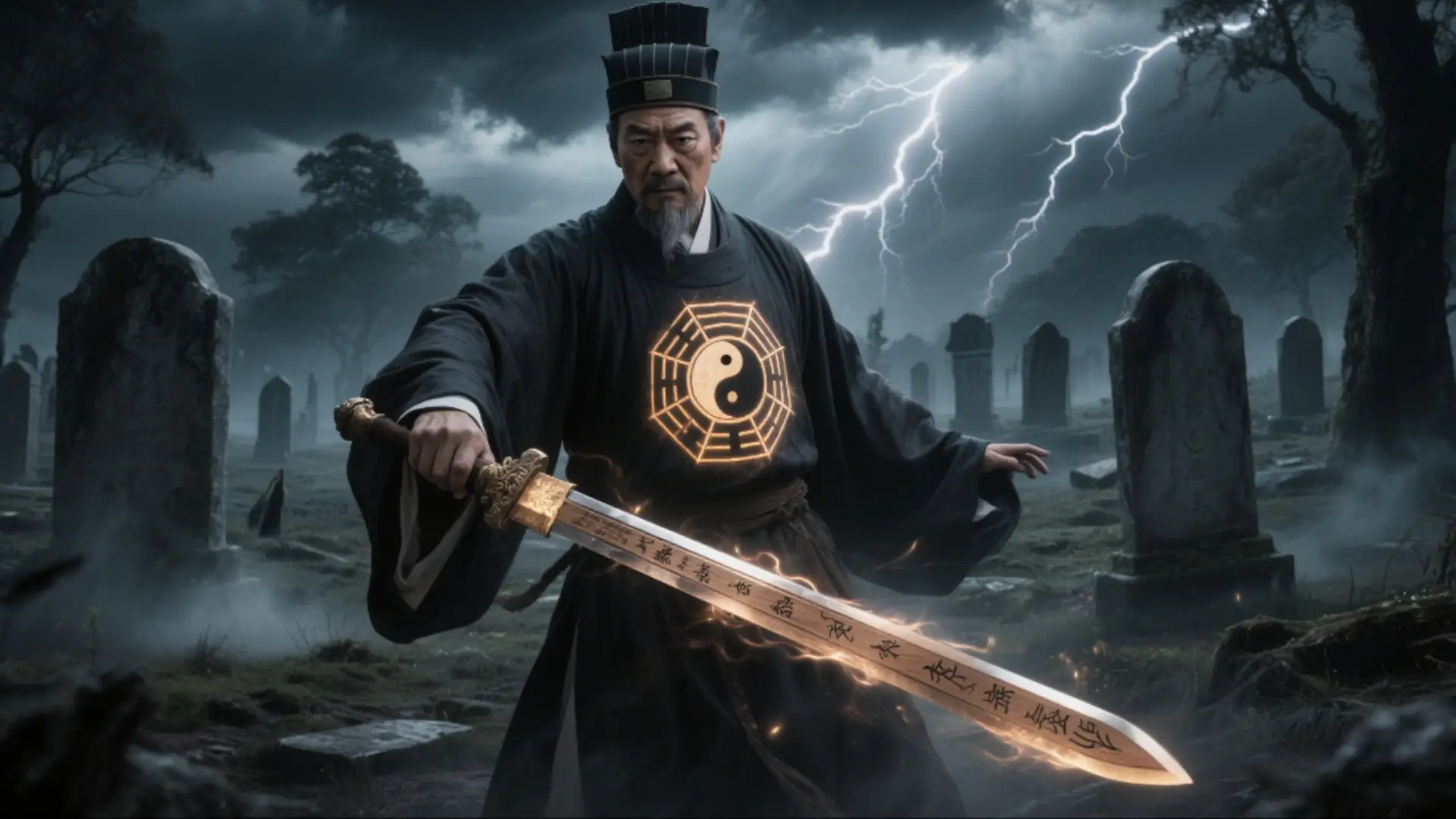
The power system focuses on Taoist magic, spiritual energy, yin-yang, the Five Elements, and meridians. The Yin-Yang Life and Death Formula technique plays a pivotal role, where the process of cultivation demands steady accumulation and precise control of spiritual energy rather than arbitrary power spikes.
Worldbuilding and Atmosphere
The setting of the Republic of China era is one of the key elements setting this novel apart. Warfare, a suffering populace, cultivation factions, and ancient folklore coexist, evoking a tone that feels archaic yet turbulent.
The author seamlessly weaves cultural elements—Taoism, ancient tombs, feng shui, yin-yang, and history—into the plot. Places like Qingshui Temple are more than mere backdrops; they serve as repositories for crucial clues and cherished memories.
Strengths
- Zuo Dengfeng has a well-defined personality, acting out of deliberation rather than relying purely on power.
- The Republic of China setting imparts a distinct flavor compared to conventional cultivation novels.
- Taoist magic is explained in relative detail, connected to yin-yang, the Five Elements, and meridians.
- Thirteen brings additional everyday texture and emotion amidst the heavily mystical segments.
- Expeditions, ancient tombs, and uncanny phenomena continually broaden the world.
Weaknesses
- The beginning has a rather slow pace, requiring patience to fully appreciate the author's atmospheric groundwork.
- The growing amount of terminology surrounding Taoist magic and cultivation can at times feel overwhelming for newcomers.
- Certain explanations and descriptions may feel longer than necessary, especially during transitions between storylines.
- The emotional arc is written with considerable weight, making it less suited for those seeking light, continuous entertainment.
Conclusion
To me, Remnant Robe is memorable not for its battles, but for how it places an ordinary man in chaotic times and forces him to learn, step by step, how to face the Dao, power, and loss. Zuo Dengfeng carries a gravity of his own, while the backdrop of the Republic of China lends the entire narrative a classic and melancholic resonance.
In short: Best for readers who appreciate Taoist magic, an uncanny atmosphere, and multi-dimensional characters; in return, expect a slow initial pace and heavy worldbuilding.
Tags: taoist magic, republican era, supernatural