The Path Toward Heaven
- Author: Mao Ni
- Genres: Xianxia, Trọng Sinh
- Status: Completed
- Chapters: 1047
- Rating: ★ 4.5 / 5
- Published: 2026-09-21
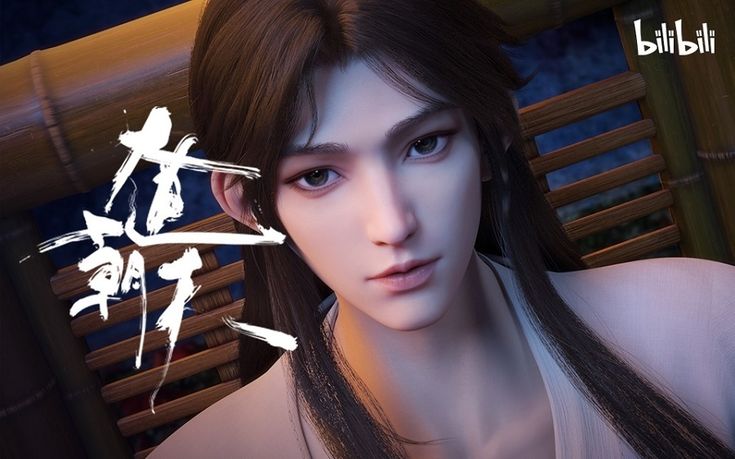
First Impressions
The Path Toward Heaven opens with a rather unique feel: the protagonist Jing Jiu seems to care very little about what others consider important. He is lazy, quiet, and prefers simplicity, but behind that exterior lies an extraordinary mind and power of observation.
The setting revolves around Chaotian Continent, where cultivation sects coexist with legends of ascension, swordsmanship, and immortality. Starting from Green Mountain Sect, the story gradually expands into a world with a rich history, numerous factions, and secrets that are not explained right away.
Plot and Pacing
The narrative does not follow the typical pattern of endless fights and rapid realm breakthroughs. Jing Jiu often resolves problems through observation, calculation, and a deep understanding of swordsmanship, which means many climactic moments are built upon seemingly minor details.
This is also a polarizing point for readers. Some love how the author holds back information and lets mysteries unravel gradually, while others find the pacing slow and hard to grasp early on. If you are used to stories that explain everything right off the bat, the first few dozen chapters might require extra patience.
Characters and swordsmanship
Jing Jiu is not the passionate protagonist eager to prove himself. He hardly cares about how others view him, yet he holds an unwavering tenacity toward his own path of cultivation. It is precisely this contrast between a lazy exterior and terrifying capability that creates his unique charm.
- Protagonist: Jing Jiu is a calm, intelligent cultivator with exceptional talent in swordsmanship.
- Companion: Liu Shisui is a crucial character early on, gentle in disposition yet remarkably steadfast.
- Romantic dynamics: Zhao Layue shares a unique bond with Jing Jiu, developed subtly without being overly ostentatious.
- Highlights: The supporting cast is rich with characters who possess their own distinct goals, personalities, and perspectives on cultivation.
The power system revolves around cultivation, swordsmanship, Dao Seed, and cultivation realms. Green Mountain Sect is particularly vital because every peak and heritage holds its own understanding of the sword, making swordsmanship an extension of character philosophy, rather than just a combat tool.
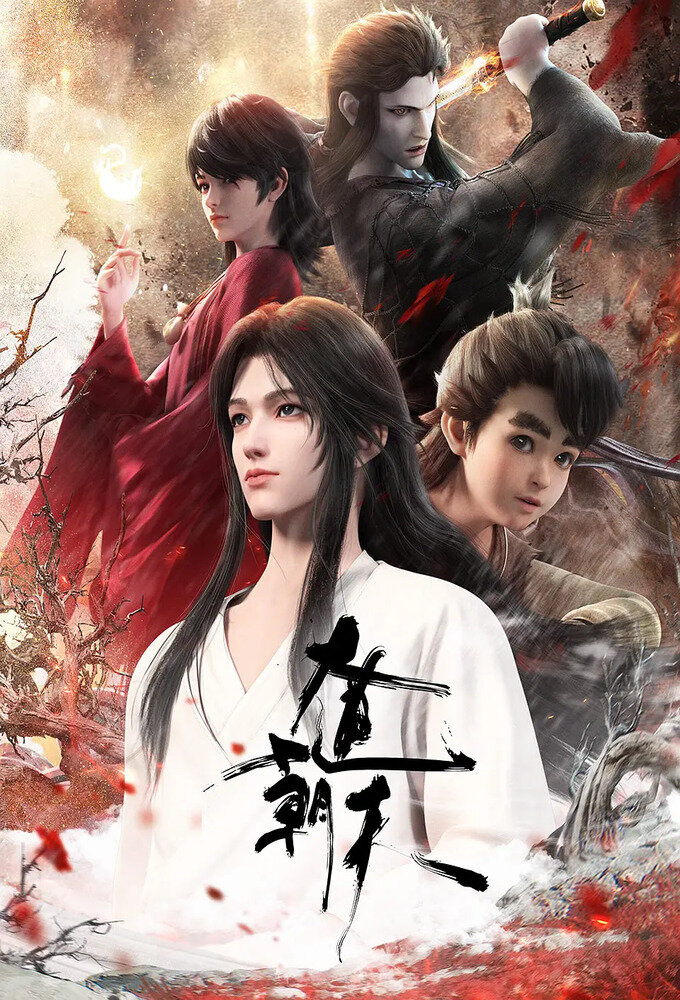
World-Building and Narrative Style
A major strength of the novel is the feeling that the world is always far grander than what the characters currently see. Green Mountain Sect, Central Sect, Demon Prison, and various other locations do not exist merely to serve a single battle, but are deeply tied to the history and power dynamics of Chaotian Continent.
The author also frequently uses brief dialogues to hint at grander issues. A seemingly ordinary remark can relate to a character's choice, sect rules, or a secret from the past. This storytelling style creates a feeling of layered meaning, though it also makes it easy for fast readers to miss crucial details.
Strengths
- Jing Jiu has a consistent personality that stands out distinctly from the typical passionate protagonist.
- swordsmanship is built tightly alongside character mindset, choices, and life philosophy.
- Green Mountain Sect and other factions construct a world system with genuine depth.
- Supporting characters hold relatively independent roles, rather than simply existing as backdrops for the main character.
- Many mysteries are held back long enough to keep readers eager to connect the puzzle pieces.
Weaknesses
- The pacing is slow and focused on accumulation, especially in the beginning.
- Numerous terms, character names, and faction histories demand focused attention to keep track.
- Certain explanations or scene transitions may feel roundabout for those who prefer a direct pace.
- Withholding information sometimes leaves the plot hard to grasp until the puzzle pieces are revealed.
Conclusion
The reading experience for The Path Toward Heaven relies heavily on whether readers accept its slow pace and the author's choice not to explain everything immediately. With patience, details surrounding Jing Jiu, Zhao Layue, Green Mountain Sect, and swordsmanship gradually assemble into a grander picture.
For me, the novel's true value lies in its layered storytelling and deep world-building, rather than instant gratification after every battle. It is a story best read slowly, keeping track of details while appreciating evolving perspectives on characters and the path of cultivation.
In short: The Path Toward Heaven is best for those who enjoy expansive worlds, swordsmanship, and layered storytelling; in return, its slow pace and heavy information load may be challenging for impatient readers to stick with.
Tags: sword dao, reincarnation, mystery